Design that connects: the power of nature inside the workplace
· 1 min
Biophilic design integrates light, vegetation and organic materials into projects, promoting health and well-being in corporate environments.
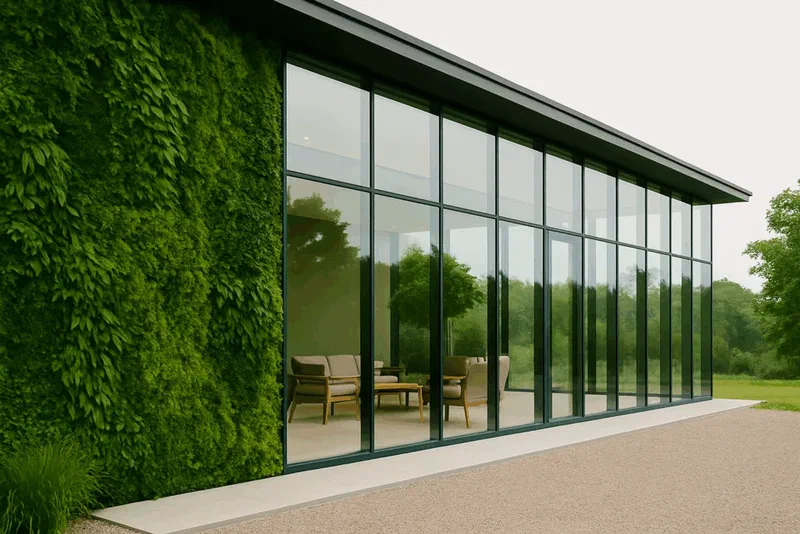
In contemporary architecture, one concept has been gaining more and more traction: biophilic design. More than a trend, it is a strategy for bringing nature into built environments, promoting health, productivity and well-being.
What is biophilic design?
It is the integration of natural elements, such as light, vegetation, water, ventilation and organic materials, into architectural projects. The idea is simple: the closer we are to nature, the more balanced, creative and engaged we become.
How it shows up in corporate spaces
- Smart natural light: glazed façades and systems that follow the cycle of the day.
- Natural elements: use of wood, stone, fibers and green walls.
- Open, connected environments: outdoor gathering areas, balconies and indoor gardens.
- A sense of freshness: water mirrors, fountains and natural ventilation.
Why it matters for companies
Research shows that biophilic offices reduce stress, increase concentration and boost creativity. For companies, this translates into more productivity, engagement and talent retention, while also strengthening ESG and sustainability commitments.
Easy’s perspective
At Easy, we believe every space should inspire people and transform experiences. Incorporating biophilic design into our projects is a natural step toward combining sophistication, environmental responsibility and a positive impact on our clients’ everyday lives.